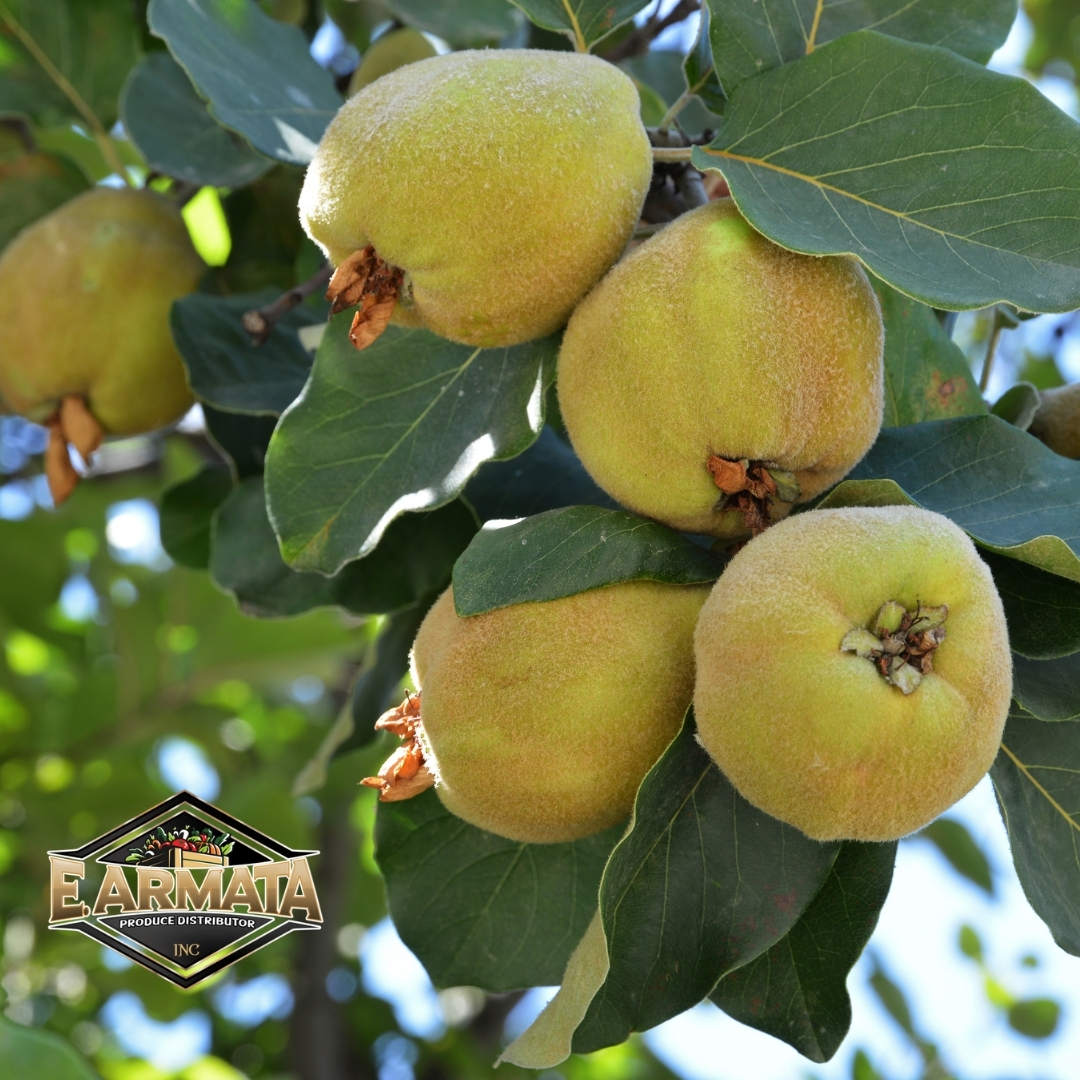
Why Quince Is Gaining Attention This Fall
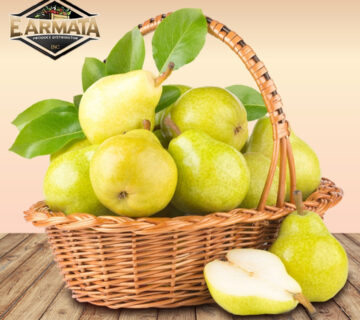
As seasonal menus shift toward warming flavors and autumn ingredients, quince is returning to professional kitchens. This fragrant, golden-yellow fruit resembles a cross between an apple and a pear, but its firm texture and naturally tart flavor make it unique. Although quince is rarely eaten raw because of its astringency, cooking transforms it into a tender fruit with a delicate sweetness and floral aroma.
For chefs, restaurants, caterers, and specialty grocery retailers, quince offers an opportunity to introduce customers to a distinctive seasonal ingredient. For wholesale produce buyers, understanding its culinary uses and seasonal availability can help support creative fall and winter offerings.
How Chefs Can Use Quince in Seasonal Menus
From Savory Dishes to Desserts
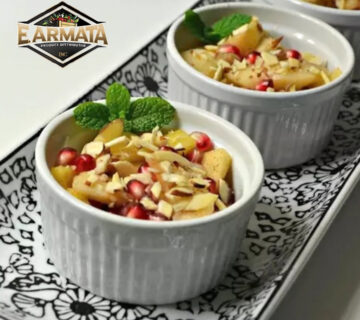
Quince is particularly versatile when cooked, making it suitable for a range of seasonal recipes. Slow-poached quince develops a soft texture and attractive rosy color, making it a standout ingredient for desserts, pastries, and fruit compotes.
In savory cooking, quince pairs well with roasted meats, root vegetables, warming spices, and rich sauces. Chefs can incorporate it into braised dishes, serve it alongside cheese boards, or use quince paste to add a sweet-tart contrast to appetizers.
Its distinctive flavor also works well with apples, pears, cinnamon, and cloves, making quince a natural fit for autumn menus and holiday specials.
Why Quince Works for Fall and Winter
Quince is generally harvested in the fall, making it a seasonal option for chefs planning menus around locally inspired flavors and cooler-weather ingredients. Its aromatic qualities and versatility can help restaurants differentiate seasonal offerings while giving customers a reason to explore a less familiar fruit.
What Wholesale Produce Buyers Should Know
When sourcing quince, buyers should look for firm fruit with a strong golden-yellow color and a noticeable fragrance. A light fuzz on the skin is natural, but avoid excessive softness, deep bruising, or signs of decay.
Because quince is typically cooked before eating, buyers should consider how the fruit will be used when planning inventory. Proper storage, careful handling, and coordination with suppliers can help maintain quality and reduce waste. As with other seasonal produce, confirm current availability before placing large orders.
Source Seasonal Produce With E. Armata Inc.
Finding a dependable wholesale produce distributor helps restaurants and retailers access the ingredients they need for seasonal menus. Located at the Hunts Point Produce Market in the Bronx, NY, E. Armata Inc. supplies a broad selection of fresh produce to businesses throughout the Northeast and mid-Atlantic, including fruit, berries, vegetables, herbs, melons, mushrooms, and tropical produce.
Whether you’re exploring quince for a fall menu or sourcing a variety of fresh fruit for your business, planning can help you make the most of the season.
Looking for a wholesale produce partner? Visit E. Armata Inc. to learn more about its produce offerings and contact the team to discuss your seasonal fruit and wholesale delivery needs.